Tag: patio design

  • Backyard Patio Makeover Services Enhance Outdoor Living

    Transforming your backyard into a stunning patio space opens up a world of opportunities for relaxation and entertaining. Backyard patio makeover services offer homeowners the chance to revitalize their outdoor areas, making them not only more visually appealing but also functional for various activities. With thoughtful design and quality materials, a newly renovated patio can become the centerpiece of your home, enhancing your overall outdoor living experience.

    From cozy family gatherings to lively summer soirées, the right patio design can elevate how you enjoy your time outdoors. As we dive into the world of patio makeovers, we’ll explore the essential elements that contribute to a successful transformation, the available services, and the impact these changes can have on your property’s value.

    Understanding the Importance of Backyard Patio Makeovers

    A backyard patio makeover serves as a gateway to enhancing both the beauty and functionality of outdoor spaces. Homeowners often look for ways to elevate their patios, aiming not only to improve aesthetics but also to create a space that meets their lifestyle needs. The transformation of a patio can lead to significant benefits, including an improved ambiance for gatherings and an overall increase in property value.A well-designed patio enhances outdoor living experiences by facilitating a seamless transition between indoor and outdoor areas.

    This allows for various activities such as dining, entertaining, or simply relaxing amidst nature. Additionally, a thoughtfully revamped patio can become a focal point of the backyard, drawing family and friends to enjoy the fresh air and beautiful surroundings.

    Aesthetics and Functionality

    When homeowners consider a patio makeover, they often prioritize both aesthetics and functionality. A visually appealing patio can transform a dull outdoor space into a vibrant extension of the home, while functional elements ensure that the space serves its intended purpose efficiently. Various improvements can be made to achieve this balance, including:

    • Upgrading flooring options: Choosing materials such as natural stone, pavers, or composite decking enhances both beauty and durability.
    • Incorporating landscaping features: Strategically placed plants, flower beds, or decorative rocks can add color and texture to the patio.
    • Installing quality outdoor furniture: Comfortable seating arrangements encourage relaxation and social interaction.
    • Adding shade structures: Pergolas, awnings, or umbrellas provide relief from the sun, making the patio enjoyable at all times of day.
    • Incorporating lighting: Ambient lighting, such as string lights or lanterns, creates a warm atmosphere for evening gatherings.

    These enhancements not only beautify the space but also optimize its usability, making it a more inviting area for family and friends.

    Increase in Property Value

    One of the significant advantages of a patio makeover is its potential to increase property value. A well-designed, functional patio is an attractive feature for prospective buyers, often leading to a higher market assessment of the home. Real estate studies indicate that outdoor living spaces can yield a return on investment (ROI) of up to 70-80%. For instance, a homeowner who invests in a high-quality patio makeover with features such as built-in seating, a fire pit, or an outdoor kitchen can expect a substantial increase in their property’s appeal.

    Consider the case of a home in a suburban neighborhood that underwent a patio renovation, including a stone fire pit and custom seating. After the makeover, the home sold for 15% more than comparable properties in the area that lacked similar outdoor enhancements, illustrating the financial benefits of investing in a patio makeover.

    “Transforming your patio is not just about aesthetics; it’s a smart investment that enhances your lifestyle and boosts your property value.”

    Identifying the Key Elements of a Successful Patio Design

    A well-designed patio can transform your outdoor space into an inviting retreat for relaxation and social gatherings. Key elements that contribute to a successful patio design include functionality, aesthetics, and durability. By carefully considering each aspect, you can create a patio that not only enhances the beauty of your home but also serves as a practical space for everyday use.The materials chosen for patio construction play a crucial role in the overall design and longevity of the space.

    Different materials have unique characteristics, which can greatly influence the look and feel of your patio. It’s essential to select materials that suit both your design style and your local climate.

    Essential Features of an Inviting Patio Space

    Creating an inviting patio space requires attention to several key features. These elements not only enhance the functionality of the area but also contribute to a warm and welcoming atmosphere. Consider the following essential features:

    • Comfortable Seating: Ample, cozy seating is vital for encouraging relaxation and conversation. Options like outdoor sofas, lounge chairs, and even hammocks can create a comfortable setting.
    • Shade Solutions: Incorporating umbrellas, pergolas, or awnings helps provide relief from the sun, making your patio usable even on hot days.
    • Lighting: Strategically placed lighting fixtures, such as string lights or lanterns, create a warm ambiance that allows for enjoyable evenings outdoors.
    • Landscaping and Greenery: Adding plants, flowers, or even small trees can soften the space and integrate your patio more closely with nature.
    • Functional Surfaces: Durable surfaces such as stone or pavers not only look great but also withstand the elements, ensuring longevity.

    Significance of Materials Used in Patio Construction

    When it comes to patio construction, the choice of materials has a significant impact on aesthetics, maintenance, and durability. The right materials can enhance the overall design while determining how well the patio withstands weather conditions. Explore the importance of various materials used in patio design:

    • Natural Stone: Known for its beauty and durability, natural stone comes in various types, such as slate, flagstone, and limestone. It provides a classic look that complements many home styles.
    • Concrete: Versatile and cost-effective, concrete can be colored or stamped to resemble brick or stone, offering a wide range of design options.
    • Composite Decking: Made from a blend of wood and plastic materials, composite decking is resistant to rot and insects, making it a low-maintenance option.
    • Wood: Traditional wood patios offer warmth and charm, but require regular maintenance to prevent weathering. Treated hardwoods can extend longevity.
    • Brick: Timeless and sturdy, brick patios provide a classic look and can endure harsh weather, making them suitable for various climates.

    Comparing Design Styles and Their Suitability for Various Home Types

    Different design styles can significantly affect the integration of a patio with your home. Understanding various styles helps in choosing one that complements your residence effectively. Here’s a look at popular design styles and their compatibility with different home types:

    • Traditional: Suited for classic homes, traditional patios often use brick or stone with symmetrical layouts and elegant furnishings, creating a timeless charm.
    • Modern: Characterized by clean lines and minimalist design, modern patios often feature materials like concrete and metal, making them ideal for contemporary homes.
    • Rustic: Perfect for country or farmhouse-style homes, rustic patios utilize natural materials such as wood and stone, creating a cozy, organic feel.
    • Coastal: Coastal-style patios embrace light colors and airy designs, incorporating materials like wicker and driftwood, making them suitable for beach homes.
    • Eclectic: Combining various elements, eclectic patios can reflect personal style, making them adaptable to any home type, provided they are thoughtfully designed.

    Choosing the right design style and materials can significantly enhance the appeal and functionality of your patio space, creating a seamless transition between your indoor and outdoor living areas.

    Exploring Various Patio Makeover Services Available

    The transformation of a backyard patio can greatly enhance the usability and aesthetic appeal of outdoor spaces. Various professional services are available to assist homeowners in creating their perfect patio environment. From consulting to installation, these services cater to diverse needs and budgets.Professional patio makeover services typically begin with design consultation. During this phase, experts work closely with homeowners to understand their vision, preferences, and functional requirements.

    This collaboration often includes layout planning, material selection, and color palette ideas, ensuring that the final design aligns with the homeowner’s lifestyle and aesthetic.

    Professional Services Offered

    Professional services go beyond design consultations, including a full range of options for installation and renovation. These services ensure that every aspect of the patio makeover is handled with expertise. Here are some common offerings:

    • Design Consultation: Tailored advice on layout, materials, and aesthetics.
    • Installation Services: Professional installation of flooring, lighting, and landscaping features.
    • Material Sourcing: Assistance in choosing high-quality materials suited to the climate and style.
    • Landscaping Integration: Combining patio design with surrounding gardens or outdoor features.

    For those inclined to undertake their own patio makeover, several DIY options are available. Homeowners can refresh their space with their creativity and hands-on skills. This may include painting existing furniture, adding decorative planters, or utilizing outdoor rugs to define spaces. Simple modifications can significantly change the patio’s appearance without professional help.

    DIY Options for Homeowners

    DIY patio makeover options allow homeowners to personalize their spaces according to their tastes and budgets. Here are some popular ideas:

    • Repainting: Refresh furniture with weather-resistant paint to give a new look.
    • Add Outdoor Rugs: Define areas and enhance comfort with stylish outdoor rugs.
    • Lighting Enhancements: Install solar lights or string lights to create a cozy atmosphere.
    • Container Gardening: Use pots and planters to add greenery and color.

    When considering patio makeover services, the associated costs can vary widely depending on the scope of work. Professional services may range from budget-friendly options to more luxurious packages, while DIY projects can be tailored to fit any budget.

    Price Ranges for Patio Makeover Services

    Understanding the cost spectrum is essential for homeowners planning a patio makeover. Below is an overview of potential price ranges for various services:

    • Basic Design Consultation: Typically ranges from $100 to $300.
    • Professional Installation: Costs can range from $1,500 to $5,000, depending on materials and complexity.
    • Landscaping Features: Adding plants or garden beds can start at around $500 and go up based on size and design.
    • DIY Refresh: Home improvement projects can range from as little as $50 for simple decor to several hundred for more extensive enhancements.

    Investing in a patio makeover can yield a significant return in outdoor enjoyment and property value.

    Evaluating the Role of Landscaping in Patio Makeovers

    valve types

    Landscaping plays a crucial role in enhancing the aesthetic appeal and functionality of patio spaces. It seamlessly integrates outdoor areas with nature, creating a serene escape that complements the design of patios. With the right landscaping choices, a patio can transform into an inviting oasis, fostering relaxation and social gatherings.The selection of appropriate plants and materials can significantly elevate the overall ambiance of a patio.

    Opting for low-maintenance yet visually appealing plants ensures that the patio remains vibrant without demanding excessive care. Native plants, perennials, and ornamental grasses are popular choices, as they thrive in various climates and require minimal upkeep. Additionally, incorporating stone or gravel pathways can provide both functionality and style, guiding guests through the landscape gracefully.

    Integration of Landscaping Features into Patio Designs

    When considering landscaping for patio makeovers, it’s essential to think about various features that can enhance the overall experience. Adding elements such as water features and lighting can dramatically transform the atmosphere, making the space more inviting and enjoyable.Water features, like fountains or small ponds, can introduce soothing sounds and create a focal point within the design. The gentle trickle of water not only adds a calming effect but also attracts wildlife, enhancing the natural beauty of the environment.

    When designing these features, consider using materials that complement the existing patio aesthetics, such as natural stone or ceramic.Incorporating lighting is equally important in landscaping, as it extends the usability of the patio into the evening hours. Strategically placed LED lights, solar-powered fixtures, or lanterns can illuminate pathways and highlight key landscaping elements. A well-lit patio can create a cozy atmosphere perfect for nighttime gatherings or quiet relaxation.

    Here are some useful landscaping features that can be integrated:

    • Seating Areas: Incorporate built-in benches or integrate seating around natural features to encourage conversation and relaxation.
    • Vertical Elements: Trellises or climbing plants can add vertical interest and create privacy, making the patio feel more secluded.
    • Planters: Use raised planters to introduce greenery at various heights, adding depth to the landscape design.
    • Decorative Gravel: Utilizing decorative gravel can enhance drainage while providing a clean, modern look around the patio.

    By thoughtfully integrating these landscaping elements, the patio becomes not just a functional space, but a visually captivating area that draws people in, encourages relaxation, and enhances the overall outdoor experience.

    Analyzing Trends in Backyard Patio Designs

    As outdoor living spaces continue to gain importance in home design, backyard patios are evolving to reflect contemporary tastes and lifestyles. Homeowners are increasingly looking for ways to create inviting, functional environments that serve as extensions of their indoor living areas. This evolving trend includes everything from color schemes to furniture choices, all while considering the sustainability of materials used in these outdoor sanctuaries.Current trends in patio design highlight a shift towards warm, earthy color palettes and open layouts that encourage social interaction.

    Natural shades like terracotta, muted greens, and soft grays are becoming favorites, as they seamlessly blend with the outdoors. Additionally, geometric layouts are making waves, allowing for designated spaces for dining, lounging, and even cooking, which enhances usability while maintaining aesthetic appeal.

    Influence of Outdoor Furniture and Accessories

    The selection of outdoor furniture and accessories plays a pivotal role in defining the overall aesthetic of a patio. Homeowners now prioritize comfort and style, opting for pieces that not only look great but also enhance the functionality of the space. Key considerations include:

    • Materials: Weather-resistant materials like teak, aluminum, and synthetic wicker are favored for their durability and ease of maintenance.
    • Design: Curated furniture collections that emphasize sleek lines and minimalistic designs contribute to a modern look, making the patio feel more like an extension of the interior.
    • Textiles: Vibrant cushions and throws add pops of color and texture, encouraging relaxation and inviting guests to enjoy the space.

    Each of these elements works together to create a cohesive look that reflects personal style while ensuring comfort during outdoor gatherings.

    Popularity of Eco-Friendly Materials and Designs

    The growing awareness of environmental issues has significantly influenced patio makeovers, with many homeowners opting for eco-friendly materials and designs. Sustainable choices not only benefit the environment but also add unique character to outdoor spaces. Currently trending eco-friendly options include:

    • Recycled Materials: Furniture made from recycled plastics and metals is gaining traction, providing durability with minimal environmental impact.
    • Natural Stone and Wood: Using locally sourced stones and reclaimed wood not only reduces carbon footprints but also enhances the natural beauty of the patio.
    • Green Landscaping: Incorporating native plants and permeable paving can enhance water conservation, further aligning with eco-friendly design principles.

    Adopting these sustainable practices not only demonstrates a commitment to environmental stewardship but also contributes to the creation of serene, natural retreats that foster connection with nature.

    Planning and Budgeting for a Patio Makeover Project

    When it comes to giving your patio a fresh new look, proper planning and budgeting are essential. A well-thought-out patio makeover can enhance your outdoor space, adding value to your home and providing a perfect spot for relaxation and entertainment. This guide walks you through the steps to successfully plan and budget your patio makeover project, ensuring that you create a space that suits your needs and fits your financial constraints.

    Step-by-Step Guide to Planning Your Patio Makeover

    Embarking on a patio makeover requires a clear plan. Here’s a structured approach to help you navigate through the process from conception to execution:

    1. Define Your Goals: Determine the primary purpose of the patio – whether it’s for entertaining, dining, gardening, or simply relaxing.
    2. Research and Gather Inspiration: Look for design ideas through home improvement magazines, online platforms like Pinterest, or by visiting local showrooms.
    3. Assess Your Space: Measure the patio area and take note of the surrounding environment, including sunlight patterns, existing structures, and landscape features.
    4. Choose Your Style: Decide on a cohesive style that complements your home and reflects your personal taste, whether it’s modern, rustic, or traditional.
    5. Select Materials and Features: Consider various materials for flooring, furniture, lighting, and landscaping. Make a list of must-have features versus nice-to-haves.
    6. Create a Timeline: Establish a realistic timeline for the project, factoring in permits, material delivery, and potential weather delays.
    7. Consult Professionals: If necessary, seek advice from landscape designers or contractors for expert insights to refine your ideas.

    Establishing a Realistic Budget

    Budgeting for a patio makeover is crucial to avoid overspending. Here’s how to create an effective budget:

    Begin by listing all potential expenses associated with your patio makeover. This includes costs for materials, labor, permits, and any additional features you may want to incorporate. A good rule of thumb is to expect to allocate around 10-20% of your total budget for unexpected costs.

    “A comprehensive budget incorporates not just material costs but also labor, permits, and a buffer for unforeseen expenses.”

    Consider the following categories while budgeting:

    • Materials: Pricing will vary depending on the choice of flooring, furniture, and décor.
    • Labor: If hiring professionals, obtain multiple quotes to ensure you get the best value.
    • Permits: Check local regulations to see if you need permits for your makeover.
    • Landscaping: Factor in costs for plants, soil, and any necessary hardscaping.
    • Furniture and Accessories: Pricing will vary based on style and quality, so plan accordingly.

    Prioritizing Features and Services According to Budget Constraints

    When working with a budget, it’s essential to prioritize features that align with your vision and needs. Here’s how to effectively determine what to focus on:

    Begin by identifying which elements of your patio are essential and which can be postponed for a later phase. This may involve making tough decisions but focusing on the most impactful features will yield the best results.

    Consider the following factors when prioritizing:

    1. Functionality: Features that enhance the usability of the space should take precedence.
    2. Impact on Aesthetics: Invest in high-impact visual elements, like a statement seating area or decorative lighting.
    3. Long-term Value: Prioritize materials and features that will stand the test of time and require minimal maintenance.

    The Impact of Seasonal Considerations on Patio Makeovers

    Seasonal changes significantly influence how and when we use our patios. Understanding these seasonal dynamics is crucial for designing a functional and aesthetically pleasing outdoor space that meets your needs year-round. This section highlights how different seasons can shape patio designs and materials, ensuring your outdoor oasis remains inviting and durable throughout the year.

    Seasonal Usage and Design Choices

    Each season brings a unique set of challenges and opportunities for patio usage, which in turn affects design choices. In warmer months, patios often serve as the central hub for outdoor entertaining, family gatherings, and relaxation. Conversely, during colder months, usage may decline, necessitating design adaptations to maintain comfort and accessibility.

    Spring and Summer

    During these seasons, an emphasis is placed on maximizing outdoor living. Features like comfortable seating, outdoor kitchens, and shade options, such as pergolas or umbrellas, become essential. Vibrant colors and floral designs enhance the ambiance, inviting gatherings and relaxation.

    Fall and Winter

    As temperatures drop, patios can still be functional. Consider incorporating heat sources like fire pits or outdoor heaters to create a cozy atmosphere. Utilizing materials that withstand the elements, such as treated wood or composite decking, ensures longevity during harsh weather.

    Durable Materials for Local Weather Conditions

    Selecting the right materials for your patio is vital, particularly when considering local weather patterns. The durability of patio materials impacts not only maintenance but also the overall aesthetic and functionality of the space.

    Wood

    While natural wood offers warmth and beauty, it requires regular sealing and maintenance in regions with heavy rainfall or snow. Treated hardwoods or composite materials are often better choices for durability.

    Stone and Pavers

    These materials are generally resistant to weathering and can withstand significant temperature changes, making them ideal for areas with fluctuating climates. They offer a timeless look and require minimal upkeep.

    Concrete

    An excellent option for its strength and versatility, concrete can be stained or stamped to mimic more expensive materials while providing unmatched durability against the elements.

    “Choosing the right materials isn’t just about aesthetics; it’s about ensuring your outdoor space can withstand the test of time and weather.”

    Maintenance Tips for Year-Round Patio Care

    Proper maintenance is essential to keep patios in great condition, regardless of the season. Seasonal care routines can help prolong the life of your patio and maintain its appeal.

    Spring

    Perform a thorough cleaning to remove winter debris. Inspect for any damages and make necessary repairs before summer gatherings begin.

    Summer

    Regularly clean surfaces to prevent mold and mildew growth. Ensure all furniture is stored properly to avoid sun damage.

    Fall

    Clear leaves and debris to prevent blockages and staining. Consider applying a sealant to protect against winter moisture.

    Winter

    Remove snow promptly to prevent damage. Use a plastic shovel instead of metal to avoid scratching surfaces, and consider using ice melt products that are safe for patios.These tips and considerations will help ensure your patio remains a vibrant and functional space, adapting seamlessly to the changing seasons while maintaining its beauty and durability.

    Discovering the Benefits of Hiring Professional Patio Makeover Services

    Types of Valves with images

    Transforming your backyard patio into a stunning outdoor living space can be an exciting endeavor. However, you may find yourself at a crossroads when deciding between a DIY project and hiring professional patio makeover services. While DIY projects can be fulfilling and cost-effective, enlisting the expertise of professionals often leads to superior results, saving you time and ensuring high-quality execution.Professional patio makeover services bring a wealth of knowledge and experience, allowing them to create a design that not only meets your aesthetic preferences but also aligns with practical considerations.

    When you hire experts, you gain access to their skills in material selection, layout planning, and execution techniques that can elevate your patio’s functionality and appearance. These professionals are equipped to handle challenges that may arise during the project, ensuring a smoother process and ultimately a more satisfying outcome.

    Advantages of Hiring Professionals

    Engaging a professional patio makeover service offers several distinct advantages over a DIY approach. The following points highlight key benefits that come with professional assistance:

    • Expert Design Insight: Professionals possess a trained eye for design, enabling them to maximize space and create cohesive aesthetics that a layperson might overlook.
    • High-Quality Materials: Access to a network of suppliers allows professionals to source premium materials that enhance durability and visual appeal, often at better prices than retail.
    • Time Efficiency: Professionals can complete the project more quickly due to their expertise and experience, allowing you to enjoy your new patio sooner.
    • Stress Reduction: Outsourcing the project eliminates the stress of planning and executing complex tasks, letting you relax while experts handle the details.
    • Compliance and Safety: Professionals are knowledgeable about local building codes and regulations, ensuring that your patio meets all necessary safety standards.

    Factors to Consider When Selecting a Service Provider

    Choosing the right patio makeover service provider is crucial for achieving your desired results. Important factors to consider include:

    • Experience and Credentials: Look for companies with a proven track record and relevant certifications that reflect expertise in outdoor design and construction.
    • Portfolio of Work: Reviewing past projects gives insight into the service provider’s style and quality, helping you determine if they align with your vision.
    • Customer Reviews: Feedback from previous clients can provide valuable information about the company’s reliability, workmanship, and customer service.
    • Detailed Estimates: A reputable provider should offer transparent pricing with detailed estimates, covering labor, materials, and any additional costs.
    • Communication Skills: Effective communication is essential for a successful partnership, so choose a provider who listens to your ideas and offers constructive feedback.

    Gathering Customer Testimonials and Experiences

    Industrial Ball Valves: 12 Best Types and Selection Tips

    Customer testimonials and experiences provide invaluable insights into the effectiveness of patio makeover services. Homeowners often share their stories, which highlight not only the aesthetic transformations of their outdoor spaces but also the emotional impact these changes have had on their lifestyles. By examining these narratives, we can better understand what clients appreciate most and where there might be room for improvement.Collecting feedback from clients is essential for any service-oriented business.

    It helps potential customers gauge the quality of a service before making a commitment. Analyzing testimonials reveals common themes among satisfied clients, as well as areas that require attention. This feedback not only shapes business practices but also builds a community of trust and reliability.

    Common Themes in Customer Testimonials

    Many homeowners express similar sentiments in their reviews, which illustrate the strong impact of a patio makeover. Here are some notable themes identified across various testimonials:

    • Aesthetic Enhancement: Customers frequently mention how a redesigned patio has significantly improved the visual appeal of their home, making it more inviting for family gatherings and entertaining guests.
    • Increased Outdoor Usage: Many clients report that their newly transformed patios have encouraged them to spend more time outdoors, enjoying the fresh air and enhancing their overall quality of life.
    • Increased Property Value: Numerous homeowners noted that their investment in a patio makeover has positively influenced their property value, making it a worthwhile financial decision.
    • Quality of Craftsmanship: Satisfied customers often highlight the professionalism and skill of the contractors, pointing out attention to detail and the use of quality materials as key factors in their satisfaction.

    Importance of Reviews and Recommendations

    In today’s digital age, online reviews and personal recommendations play a significant role in the decision-making process for prospective clients. These testimonials can influence a homeowner’s choice of patio makeover services in various ways:

    • Building Trust: Positive reviews create a sense of trustworthiness for service providers, making it easier for potential customers to choose a contractor based on the experiences of others.
    • Providing Real-Life Insights: Testimonials serve as relatable narratives that can help potential clients envision the possibilities for their own spaces, making the decision to move forward less daunting.
    • Highlighting Unique Features: Detailed customer experiences often highlight specific features or design elements, allowing prospective clients to identify what resonates with them before making a choice.
    • Encouraging Service Improvement: Constructive criticism found in reviews can guide service providers toward enhancing their offerings, ensuring a better experience for future customers.

    “Customer testimonials are not just words; they reflect the heart and soul of a service, showcasing genuine experiences that inspire confidence and guide decisions.”

  • backyard patio remodel Creating Outdoor Spaces for Enjoyment

    Backyard patio remodel is more than just a home improvement project; it’s an opportunity to transform your outdoor space into a personal oasis. A well-designed patio enhances your outdoor living experience, blending style and functionality while inviting friends and family to gather and enjoy the fresh air. With the right elements, the patio becomes a seamless extension of your home, perfect for entertaining or unwinding after a long day.

    From the choice of materials to the overall layout, every aspect of a patio remodel contributes to its success. The aesthetic appeal not only elevates your property’s value but also reflects your personal taste, making it a place of joy and relaxation. Whether it’s hosting summer barbecues or enjoying quiet evenings under the stars, a thoughtfully remodeled patio caters to both social gatherings and peaceful retreats, ensuring it meets all your outdoor needs.

    The Importance of a Well-Designed Backyard Patio Remodel

    Sex Therapy Sessions: What Actually Happens and What Gets Resolved

    A well-designed backyard patio can transform your outdoor space into a welcoming extension of your home. It creates an inviting atmosphere for family gatherings, summer barbecues, or peaceful evenings under the stars. Remodeling your patio not only enhances your outdoor living experience but also increases the aesthetic appeal of your property, leading to a significant boost in both enjoyment and property value.A thoughtfully planned patio remodel brings functionality and style together, allowing homeowners to fully embrace their outdoor spaces.

    A patio can serve multiple purposes, from an area for entertaining guests to a serene retreat for relaxation. For example, incorporating comfortable seating arrangements, such as hammocks or lounge chairs, creates an inviting area for relaxation while providing ample space for social gatherings. A beautifully crafted patio might include features like built-in benches or fire pits, which not only elevate the aesthetic but also enhance the utility of the space.

    Functional Outdoor Spaces for Entertaining and Relaxation

    Designing a multi-functional patio involves careful consideration of both aesthetics and usability. The layout and the choice of materials play a crucial role in achieving a harmonious balance between beauty and practicality. The integration of outdoor kitchens or dining areas can elevate summer cookouts, encouraging both family and friends to enjoy the outdoors. Elements such as an outdoor bar or grill station can transform the patio into a central hub for entertainment.The choice of surface materials is also essential; for instance, natural stone pavers or hardwood decking can provide a warm, inviting feel while ensuring durability.

    A well-designed patio not only attracts attention but also enhances the overall appeal of the home. The impact of a patio remodel extends beyond immediate enjoyment. Research indicates that homes with well-maintained outdoor spaces can see an increase in property value by as much as 12%. A patio that seamlessly blends aesthetics with functionality not only enhances personal enjoyment but also represents a smart investment in your property.

    In summary, a well-conceived patio remodel can create an outdoor oasis that serves as a perfect blend of relaxation and entertainment, enriching your lifestyle while increasing the value of your property.

    Key Elements to Consider in a Backyard Patio Remodel

    Is an Online Sex Therapist Right for Your Relationship? - ReSpark® Group

    When embarking on a backyard patio remodel, several key elements significantly influence the overall success and functionality of the space. The patio serves as an extension of your living area, facilitating relaxation, entertainment, and connection with nature. Therefore, thoughtful consideration of design elements, materials, and environmental factors is crucial for creating a patio that harmonizes with your lifestyle and surroundings.

    Design Elements for an Inviting Patio

    An effective patio design integrates various elements that contribute to its aesthetic appeal and usability. Key considerations include:

    • Layout: The configuration of seating, dining areas, and pathways should flow with your yard’s natural contours and existing landscaping, encouraging movement and interaction.
    • Functional Zones: Creating distinct zones for cooking, dining, and lounging enhances usability. For example, an outdoor kitchen area equipped with a grill and counter space can make entertaining a breeze.
    • Shade and Shelter: Incorporating pergolas, awnings, or umbrellas can provide relief from the sun, extending the usability of your patio during hot months. Additionally, a fire pit can offer warmth and ambiance during cooler evenings.
    • Landscaping Elements: Integrating planters, shrubs, or decorative stones can soften hard surfaces and add a touch of nature, enhancing the overall aesthetic and creating a more inviting atmosphere.

    Popular and Durable Materials for Patio Construction

    Selecting the right materials is essential for ensuring the longevity and durability of your patio. Popular choices that withstand various weather conditions include:

    • Concrete: Versatile and durable, concrete can be stamped or stained to mimic natural stone or brick, providing a custom look while being resistant to wear and tear.
    • Natural Stone: Options like slate, granite, and limestone offer timeless beauty and exceptional durability, ideal for patios that experience heavy use.
    • Composite Decking: Made from recycled materials, composite decking is low-maintenance and resistant to fading, warping, and cracking, making it a popular choice for modern patios.
    • Pavers: Available in various materials such as brick or concrete, pavers are easy to install and repair, allowing for design flexibility and easy replacement of damaged sections.

    Climate and Environmental Considerations

    The climate and local environment play a pivotal role in patio design, influencing material choice and layout. Factors to consider include:

    • Rainfall and Drainage: Proper drainage solutions, such as sloped surfaces or drains, are essential to prevent water accumulation. This is critical in areas with heavy rainfall.
    • Sun Exposure: Understanding the sun’s trajectory will help position seating areas to maximize shade and comfort. For instance, placing seating in the shade of trees or structures can enhance usability during peak sun hours.
    • Temperature Extremes: In regions with extreme temperatures, selecting materials that withstand heat or cold will ensure longevity and comfort. For example, lightweight materials can help keep surfaces cooler in hot climates.
    • Wind Considerations: Wind patterns may necessitate the installation of windbreaks, such as hedges or privacy screens, to create a comfortable environment on breezy days.

    Budgeting for Your Backyard Patio Remodel

    Remodeling your backyard patio can significantly enhance your outdoor living experience, but it’s essential to budget wisely to manage costs effectively. Understanding the various expenses involved in a patio remodel will help you make informed decisions and ensure that your project aligns with your financial goals.A typical backyard patio remodel involves several key cost components, which can vary widely based on factors such as design, materials, and labor.

    The following is a detailed breakdown of the costs you can expect:

    Cost Breakdown for a Patio Remodel

    When planning your patio remodel, consider the following categories of expenses:

    • Design and Planning: Hiring a professional designer may cost between $50 to $150 per hour, depending on their experience and location. Alternatively, DIY design can reduce costs but may require additional time and effort.
    • Materials: The choice of materials significantly impacts the overall budget. For instance, pavers can range from $3 to $15 per square foot, while concrete can cost between $4 to $8 per square foot. Natural stone may range from $10 to $25 per square foot.
    • Labor: Labor costs generally account for 30% to 50% of the total budget, averaging $40 to $100 per hour depending on the complexity of the installation and local market rates.
    • Permits and Inspections: Depending on your location, obtaining necessary permits may range from $50 to several hundred dollars, especially for larger projects.
    • Furniture and Accessories: Outdoor furniture, lighting, and landscaping can vary significantly in cost. Expect to spend anywhere from a few hundred to several thousand dollars, depending on the quality and style.

    To aid in budgeting decisions, the table below compares different materials along with their price ranges:

    Material Price per Square Foot
    Concrete $4 – $8
    Pavers $3 – $15
    Natural Stone $10 – $25
    Brick $5 – $15

    Cost-Saving Measures for Your Patio Remodel

    Finding ways to save on your remodel without sacrificing quality is crucial. Consider the following strategies:

    • Choose Cost-Effective Materials: Opt for high-quality, lower-cost alternatives like stamped concrete instead of natural stone.
    • DIY Where Possible: Handle simpler tasks such as demolition, cleaning, or even laying some materials yourself to reduce labor costs.
    • Buy in Bulk: Purchasing materials in bulk can often yield significant discounts. Coordinate with neighbors for joint orders where possible.
    • Off-Season Remodeling: Schedule your remodel during the off-peak season when contractors may offer lower rates.
    • Reuse Existing Materials: If your current patio has usable materials, consider incorporating them into your new design to save money.

    In summary, budgeting for a patio remodel requires careful consideration of various costs and potential savings. By being informed and strategic, you can create an inviting outdoor space that meets your needs and stays within your budget.

    Landscaping Ideas to Complement Your Patio Remodel

    A well-designed patio can transform your outdoor space, but the right landscaping can take it to the next level. Integrating landscaping with your patio remodel not only enhances the visual appeal but also creates an inviting atmosphere for relaxation and entertaining. Thoughtful plant selections and strategic placement of features are key elements to consider for maximizing the impact of your revamped patio.Choosing the right plants is crucial for achieving a harmonious look with your remodeled patio.

    Selecting plants that thrive in your local climate ensures sustainability and low maintenance. Below are some plant categories based on different climatic conditions, along with their general maintenance needs:

    Plant Selections for Various Climates

    Different plants serve different purposes, whether for aesthetics or functionality. Here’s a look at plants suitable for various climates:

    • Tropical Climate: Consider hibiscus, bird of paradise, and palms. These plants thrive in warm temperatures and add vibrant colors. Regular watering and occasional fertilization during the growing season are essential for maintenance.
    • Desert Climate: Succulents like agave and cacti are perfect for arid conditions. They require minimal water and are low-maintenance, making them ideal for busy homeowners.
    • Temperate Climate: Plants such as hostas, daylilies, and ornamental grasses work well. They need moderate watering and benefit from seasonal mulching to retain moisture.
    • Cool Climate: Consider using evergreens like boxwood or shrubs like hydrangeas. These plants provide year-round greenery and typically require less water during the cooler months.

    Integrating lighting into your landscaping can significantly enhance the ambiance and safety of your outdoor area. Proper lighting not only highlights the beauty of your new patio but also allows for extended enjoyment into the evening hours.

    Integrating Lighting Features with Landscaping

    The right lighting can transform your patio and surrounding landscape into a magical space after sunset. Here’s how to effectively incorporate lighting:

    • Pathway Lights: Installing low-voltage LED lights along pathways can guide your guests safely and add a charming glow. They can be solar-powered for energy efficiency.
    • Spotlights: Use spotlights to illuminate specific features such as trees, sculptures, or water features. This creates focal points and draws attention to your landscaping elements.
    • String Lights: Hanging string lights overhead can create an enchanting atmosphere, perfect for evening gatherings. They can be draped across patio structures or trees for a festive look.
    • Lanterns: Use decorative lanterns to enhance your patio’s aesthetic. They can be placed on tables or hung for a cozy, rustic feel while providing soft lighting.

    Properly integrated lighting not only enhances beauty but also provides safety and accessibility in your outdoor spaces.

    By thoughtfully selecting plants that complement your patio and strategically incorporating lighting, you can create a cohesive outdoor environment that is as functional as it is beautiful.

    Choosing the Right Furniture and Decor for Your Patio

    Sex Therapy Supervision with SHA - Everything You Need to Know — Sexual ...

    Creating a cozy and inviting backyard patio involves more than just having a good space; it’s about choosing the right furniture and decor that reflects your style while ensuring comfort and functionality. The right selections can enhance the outdoor experience, making your patio the perfect spot for relaxation, entertaining guests, or enjoying family time. When it comes to selecting furniture, comfort and style go hand in hand.

    Consider investing in a quality seating set that includes plush cushions and ergonomic designs. Materials like teak, eucalyptus, or aluminum are not only durable but also offer a modern aesthetic. Opt for a dining table that suits your space—round tables are great for smaller areas, while rectangular tables work well for larger gatherings. Include elements like umbrellas or a pergola to provide shade, ensuring your patio remains functional throughout the day.

    Furniture and Decor Material Selection

    Choosing weather-resistant materials is crucial for maintaining the longevity of your patio furniture and decor. Look for items made from materials that can withstand various weather conditions without fading or deteriorating.

    • Teak: Naturally resistant to moisture and pests, teak wood is a top choice for outdoor furniture due to its durability and timeless appeal.
    • Aluminum: Lightweight and rust-proof, aluminum furniture is easy to move and maintain, making it ideal for varying outdoor conditions.
    • Outdoor Fabrics: Fabrics like solution-dyed acrylic are designed to resist fading and mildew, ensuring your cushions stay vibrant and fresh.
    • Wicker: Synthetic wicker is weather-resistant and easy to clean, providing a stylish look without compromising on durability.

    In addition to furniture, decor items can elevate your patio’s appeal significantly. Incorporating elements such as throw pillows, lanterns, and outdoor rugs can create a warm and inviting atmosphere. Consider accent pieces that tie in your overall theme while being practical and weather-resistant.To further enhance your patio’s aesthetic, look at popular outdoor decor themes, which can guide your choices in color, texture, and overall vibe:

    • Coastal: Light colors, natural textures, and elements like seashells or driftwood evoke a relaxed beach atmosphere.
    • Modern Farmhouse: Incorporating rustic wood, metal accents, and soft textiles creates a charming yet contemporary feel.
    • Bohemian: Layered textiles, vibrant colors, and eclectic decor give this theme a laid-back, artistic vibe.
    • Minimalist: Simple lines, monochromatic palettes, and functional pieces make this theme clean and sophisticated.

    Integrating these ideas will help you create a patio that not only looks great but also feels comfortable and inviting, encouraging you to spend more time outdoors.

    Incorporating Technology into Your Backyard Patio Remodel

    Enhancing your backyard patio with modern technology not only boosts functionality but also transforms your outdoor space into a smart oasis for relaxation and entertainment. From innovative lighting systems to advanced heating solutions, integrating technology can significantly elevate the user experience. In today’s world, where convenience and connectivity are paramount, these tech advancements are essential for those looking to maximize their outdoor living spaces.

    Innovative Technologies for Outdoor Living

    Integrating technology into your patio design can bring about a seamless blend of comfort and efficiency. Here are some noteworthy technologies that can elevate your outdoor experience:

    • Smart Lighting Systems: Adjustable LED lights can be controlled via smartphone apps, allowing users to set the mood and ambiance for any occasion with ease. Features like motion sensors and timers can ensure energy efficiency and safety.
    • Outdoor Speakers: Wireless sound systems can deliver high-quality audio throughout your patio, perfect for entertaining guests or enjoying a quiet evening. Bluetooth connectivity ensures compatibility with various devices.
    • Smart Grills: High-tech grills come equipped with temperature probes and Wi-Fi connectivity, so you can monitor grilling progress from your smartphone. This technology ensures perfectly cooked meals every time.
    • Automated Shade Solutions: Motorized awnings and pergolas can be adjusted with a remote control or app, providing shade when needed and enhancing comfort during sunny days.

    Outdoor Heating Solutions

    Extending the usability of your patio throughout the year is possible with outdoor heating solutions. These heating options not only provide warmth but also enhance the overall ambiance of your outdoor gatherings. Here are some effective solutions:

    • Patio Heaters: Freestanding gas or electric patio heaters can warm up spaces effectively, allowing you to enjoy your patio even on chilly evenings. These heaters are portable and adjustable, making them versatile for different settings.
    • Fire Pits: A fire pit serves as a stunning focal point while providing warmth and a cozy atmosphere. Whether gas or wood-burning, fire pits encourage social interactions and make for memorable evenings under the stars.
    • Infrared Heaters: These heaters are energy-efficient and can provide instant warmth without needing to heat the surrounding air. They are perfect for enclosed patios or areas with wind protection.

    Smart Home Additions for Enhanced Entertainment

    Incorporating smart home technology into your patio can revolutionize your outdoor entertainment experience. Consider these additions:

    • Smart TVs: Outdoor-rated smart TVs allow you to watch your favorite shows or live sports events in the comfort of your patio. They are built to withstand outdoor conditions and come with enhanced brightness for daytime viewing.
    • Smart Thermostats: Controlling the temperature of your outdoor living space remotely ensures guests are comfortable, no matter the weather. These devices can learn your preferences and adjust accordingly.
    • Home Automation Systems: Integrate your patio’s lighting, heating, and entertainment systems into a single platform, allowing for controlled settings through voice commands or mobile apps.

    DIY vs. Professional Patio Remodel

    Deciding between a DIY patio remodel and hiring professionals is a significant choice that can impact not only the quality of the final outcome but also your budget and time commitment. Each option brings its own advantages and challenges, which are essential to understand before embarking on your project.The DIY approach allows for a more hands-on experience, enabling homeowners to tailor the remodel to their specific needs and preferences without the added cost of labor.

    However, it requires a solid set of skills and knowledge about construction and design. On the other hand, hiring professionals can ensure a higher standard of workmanship and a smoother process, but it typically comes at a premium cost. Weighing the pros and cons of each method can determine the best fit for your patio project.

    Benefits and Drawbacks of DIY and Professional Remodel

    When considering a patio remodel, it’s important to evaluate the benefits and drawbacks of both DIY and professional options. Below are key factors to consider for each approach.

    • DIY Benefits:
      • Cost savings on labor expenses.
      • Creative control over design and materials.
      • Personal satisfaction and a sense of accomplishment upon completion.
    • DIY Drawbacks:
      • Time-consuming process that can extend beyond initial estimates.
      • Potential for errors due to lack of experience, resulting in additional costs.
      • Limited access to professional-grade materials and tools.
    • Professional Benefits:
      • Expertise in design and construction, ensuring high-quality results.
      • Access to a broader range of materials and techniques.
      • Time efficiency, as professionals can often complete projects quicker.
    • Professional Drawbacks:
      • Higher overall costs including labor and potential markups on materials.
      • Less personal involvement in the creative process.
      • Scheduling conflicts and delays in project timelines.

    Skills Required for Successful DIY Remodel

    Engaging in a DIY patio remodel can be rewarding, but it requires specific skills and knowledge to avoid potential pitfalls. Understanding these skills is crucial for a successful project.

    • Basic Carpentry and Construction Skills: Familiarity with tools and building methods is essential to ensure structural integrity.
    • Design and Aesthetic Sense: Ability to visualize and implement a cohesive look that fits your existing landscape.
    • Problem-Solving Skills: Capability to troubleshoot issues as they arise during the remodel process.
    • Physical Stamina: Willingness to engage in heavy lifting and extended outdoor work.

    “A successful DIY project is often defined by the ability to adapt and learn in the face of challenges.”

    Factors Influencing the Decision to Hire a Contractor

    Several key factors can influence the decision to hire a contractor for your patio remodel. Understanding these factors helps in making an informed choice.

    • Scale of the Project: Larger projects may require specialized skills and equipment that are beyond typical DIY capabilities.
    • Complexity of Design: Intricate designs often necessitate professional expertise to execute effectively.
    • Time Constraints: If time is a critical factor, professionals can expedite the process more effectively than a DIY approach.
    • Local Regulations: Knowledge of local building codes and permits is often essential, which professionals are typically well-versed in.

    Sustainable Practices in Backyard Patio Remodeling

    The Impact of Sex Therapy on Relationships and Sexual Health — Sexual ...

    When it comes to backyard patio remodeling, incorporating sustainable practices not only enhances the eco-friendliness of your outdoor space but also creates a beautiful environment that harmonizes with nature. By selecting eco-friendly materials and implementing sustainable landscaping techniques, homeowners can significantly reduce their environmental impact. One of the primary aspects of sustainable patio remodeling is the choice of materials. Opting for materials that have either low environmental impact or are sourced sustainably can make a significant difference.

    For example, using reclaimed wood for decking not only adds character but also prevents deforestation. Other eco-friendly materials include bamboo, which is fast-growing and renewable, and recycled composite materials that combine plastic and wood fibers. These materials are durable and often require less maintenance, making them a practical choice for outdoor living spaces.

    Examples of Sustainable Landscaping Techniques

    Incorporating sustainable landscaping techniques can further minimize the environmental footprint of your patio remodel. These techniques not only enhance the aesthetic appeal of your backyard but also promote biodiversity and resource conservation. Here are some effective methods to consider:

    • Native Plants: Planting native species allows for better adaptability to local climates and ecosystems. These plants require less water and maintenance while providing habitat for local wildlife.
    • Rain Gardens: Designing a rain garden helps absorb excess rainfall and reduce runoff. This not only conserves water but also filters pollutants before they enter nearby waterways.
    • Xeriscaping: This landscaping approach focuses on using drought-resistant plants and minimizing water usage through efficient irrigation practices. It is particularly beneficial in arid regions.
    • Composting: Creating a composting area allows for organic waste to decompose naturally, providing nutrient-rich soil for garden beds and reducing landfill waste.
    • Permeable Pavers: These allow water to filter through your patio surface, reducing runoff and promoting groundwater recharge.

    Water conservation practices are crucial in outdoor designs, especially in areas prone to drought. Implementing smart irrigation systems, such as drip irrigation or rain sensors, can significantly reduce water usage. These systems deliver water directly to the plant roots, minimizing evaporation and runoff. Using mulch around plants helps retain moisture in the soil, thus reducing the frequency of watering.

    “The integration of sustainable practices not only conserves resources but also creates a more resilient and enjoyable outdoor space.”

    By embracing these sustainable practices in backyard patio remodeling, homeowners can create a beautiful, functional, and environmentally friendly space that enhances their lifestyle while protecting the planet.

  • Multi Level Patio Builders Creating Stunning Spaces

    Multi level patio builders play a vital role in transforming outdoor spaces into multi-dimensional sanctuaries. These patios offer a unique blend of functionality and aesthetics, allowing homeowners to enjoy various levels of relaxation and entertainment within their backyards. Unlike traditional patios that are typically flat and single-leveled, multi level patios incorporate steps, varying heights, and distinct zones that cater to different activities, making them perfect for hosting gatherings or simply unwinding in nature.

    With features such as integrated landscaping, seating areas, and lighting, multi level patios enhance the beauty of any outdoor environment. Builders focus on careful design to ensure accessibility and effective drainage while utilizing various materials that reflect the homeowner’s style. By understanding the unique aspects of multi level patios, builders can create outdoor spaces that are not only visually appealing but also practical for daily use.

    Understanding the Concept of Multi Level Patios

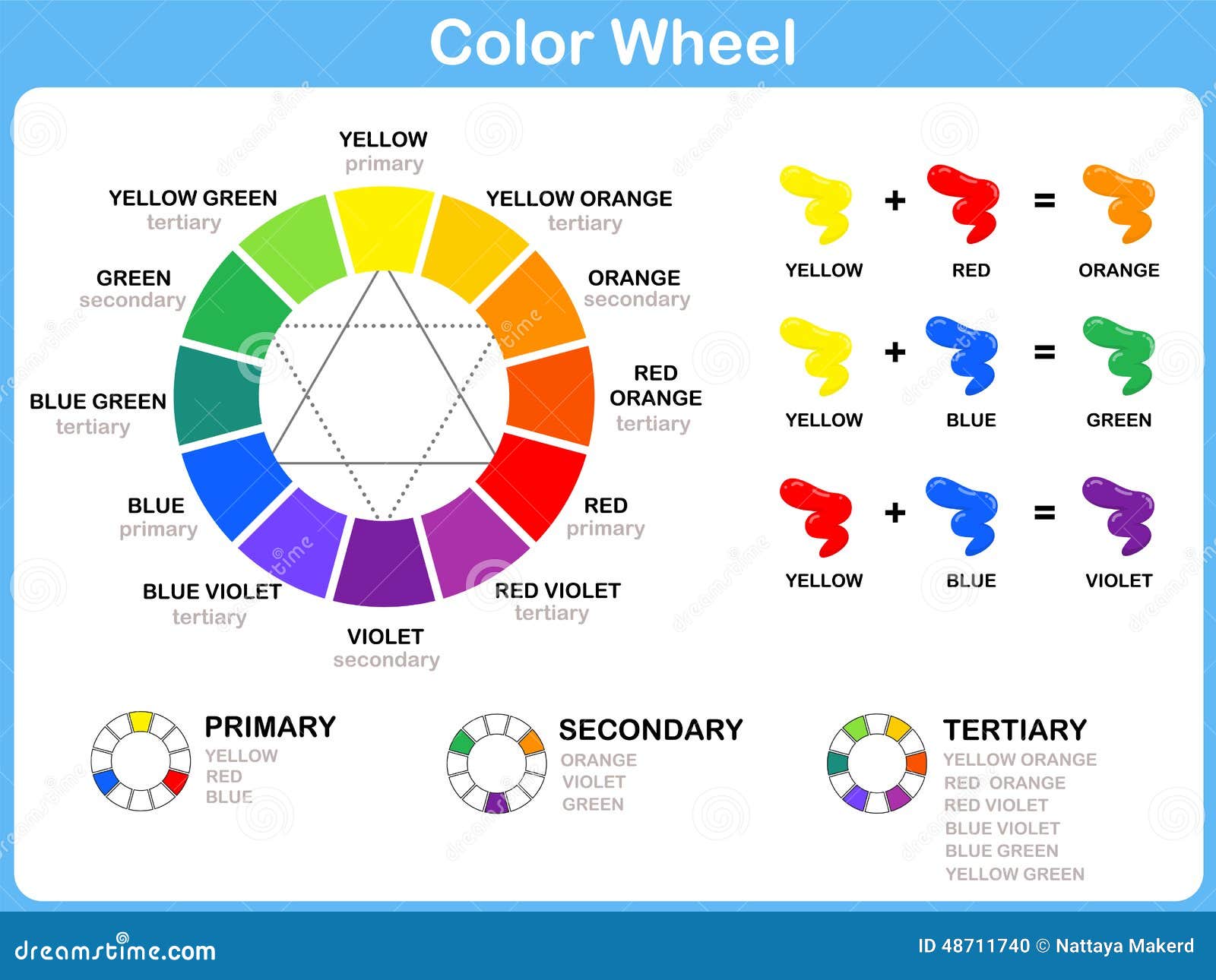
    Color Wheel Chart For Kids

    Multi level patios are innovative outdoor living spaces designed to enhance both the aesthetic appeal and functionality of your home’s exterior. These patios, characterized by their tiered configurations, provide distinct areas for relaxation, dining, and entertaining, effectively maximizing the use of available outdoor space. Unlike traditional single-level patios, multi level designs introduce a dynamic visual element that can transform a flat backyard into a vibrant and engaging environment.The primary feature of multi level patios is their elevation changes, which can create separate zones for different activities.

    For instance, one level might serve as a dining area complete with a table and chairs, while another level could be dedicated to lounging with comfortable seating and fire pits. The benefits of this design go beyond mere aesthetics; they offer practical advantages such as improved drainage, which helps to prevent water pooling on the patio surface, and enhanced privacy by visually separating different spaces within your yard.

    Differences from Traditional Patios

    Multi level patios stand in contrast to traditional flat patios in several significant ways. Traditional patios typically consist of a single, uniform surface that may limit the use of space and restrict design creativity. Multi level patios, however, provide a layered approach that allows homeowners to create various atmospheres and functional areas, maximizing outdoor utility. For example, consider a traditional patio that measures 20×20 feet.

    This space might be utilized solely for outdoor dining or lounging. In comparison, a multi level patio can include a 10×10 dining space on one level, a 15×15 sunbathing area on another, and a small fire pit zone on yet another, effectively creating a mini oasis within the same footprint.

    Design Elements Commonly Incorporated

    When constructing a multi level patio, several design elements are commonly integrated to enhance both functionality and aesthetics. These elements include:

    • Retaining Walls: These structures support the different levels of the patio while providing a decorative element. They can be made from stone, brick, or concrete, adding character to the space.
    • Stairs and Ramps: To facilitate movement between levels, carefully planned stairs or ramps are essential. These features not only provide practicality but can also be designed with materials like wood, stone, or even decorative pavers.
    • Railings: Especially for elevated levels, railings are important for safety. They can also serve as design focal points, crafted from various materials such as wrought iron, wood, or glass.
    • Lighting: Incorporating ambient and functional lighting enhances the usability of the patio during evening hours. Options include embedded LED lights, string lights, and lanterns.
    • Planters and Greenery: Strategically placed planters can break up the hardscape and introduce natural elements, making the space feel inviting. Vertical gardens or pots can be added at different levels for a lush appearance.

    The careful selection and arrangement of these design elements contribute significantly to the overall aesthetic and usability of multi level patios, creating a unique outdoor space tailored to the homeowner’s desires and lifestyle.

    The Role of Multi Level Patio Builders

    Multi level patio builders play a crucial role in transforming outdoor spaces into functional and aesthetically pleasing environments. Their expertise encompasses a range of responsibilities, from initial design to final construction. With an understanding of landscape architecture and construction techniques, these professionals create patios that meet the unique needs of homeowners while ensuring compliance with local regulations and building codes.Managing project timelines and budgets is a pivotal responsibility of multi level patio builders.

    These professionals begin by conducting thorough consultations to understand clients’ visions and requirements. They gather necessary information, such as site conditions, materials preferences, and desired features. Once the scope of work is defined, builders develop a detailed project plan. This plan Artikels key milestones and deadlines, helping to keep the project on track. To manage timelines effectively, multi level patio builders often use project management software, which allows for real-time tracking of progress and resource allocation.

    They coordinate with subcontractors, suppliers, and other stakeholders to ensure that materials are delivered on time and labor resources are scheduled efficiently. For instance, if a specific type of stone is required for the patio, the builder will confirm its availability and plan for procurement ahead of time to prevent delays.Budget management is equally critical. Multi level patio builders prepare comprehensive estimates that cover all aspects of the project, including materials, labor, and any additional costs that may arise.

    They communicate openly with clients about potential budget adjustments, especially if unexpected challenges arise during construction, such as dealing with unforeseen soil conditions that require additional excavation. By maintaining a transparent dialogue, they ensure that clients remain informed and can make decisions that align with their financial goals.

    Qualifications and Skills of Multi Level Patio Builders

    A successful multi level patio builder possesses a combination of technical skills, practical experience, and personal attributes. These elements are essential for delivering high-quality projects that meet or exceed client expectations.Key qualifications include:

    • Educational Background: A degree or certification in construction management, civil engineering, or landscape architecture can provide a strong foundation for understanding design principles and construction techniques.
    • Technical Skills: Proficiency in reading blueprints, understanding construction methodologies, and familiarity with various materials are essential. Builders must also be adept at using tools and machinery associated with patio construction.
    • Project Management Experience: Experience in managing projects from conception to completion is vital. This includes budgeting, scheduling, and coordinating multiple tasks to ensure efficiency.
    • Problem-Solving Abilities: The ability to quickly identify and resolve issues that arise during construction is a distinctive skill. For instance, if weather conditions delay work, a builder must devise a strategy to keep the project moving.
    • Communication Skills: Effective communication with clients, subcontractors, and suppliers is crucial for ensuring that everyone is aligned on project goals and expectations.

    The blend of these qualifications and skills not only enhances the builder’s capability to deliver quality work but also establishes trust with clients, which is essential in the competitive landscape of construction.

    Popular Materials Used by Multi Level Patio Builders

    In the world of outdoor design, multi level patios stand out for their aesthetic appeal and functionality. The choice of materials used in constructing these patios plays a critical role in not only the overall appearance but also the durability and maintenance required over time. Various materials offer unique characteristics that can enhance the beauty of a patio while ensuring it remains practical and robust.When building a multi level patio, the most commonly used materials include natural stone, concrete, pavers, and wood.

    Each of these materials comes with its own set of advantages and disadvantages, which can impact both the design and longevity of the patio. Understanding these materials can help homeowners make informed decisions that align with their preferences and lifestyle.

    Material Overview and Their Pros and Cons

    Choosing the right material is essential for achieving the desired look and functionality of a multi level patio. Below are some popular materials and their characteristics:

    • Natural Stone:

      Natural stone offers timeless beauty and unique aesthetics, making it a favored choice for many homeowners.

      Pros:

      • Durable and long-lasting
      • Available in various colors and textures
      • Increases property value

      Cons:

      • Higher initial cost
      • Requires sealing to prevent stains
      • Prone to cracking in severe weather
    • Concrete:

      Concrete is highly versatile and can be customized to fit any design theme, making it a popular alternative.

      Pros:

      • Cost-effective
      • Low maintenance
      • Can be stamped or stained for aesthetic appeal

      Cons:

      • Can crack over time
      • Less natural look compared to stone or wood
      • Heat retention can be uncomfortable in hot weather
    • Pavers:

      Pavers are known for their durability and range of designs, allowing for creative layouts.

      Pros:

      • Easy to replace individual pieces if damaged
      • Wide range of styles and colors
      • Permeable options available for drainage

      Cons:

      • Can shift over time, requiring maintenance
      • Installation can be labor-intensive
      • May require joint sand replenishment
    • Wood:

      Wood adds warmth and a natural feel to patios, creating a cozy outdoor space.

      Pros:

      • Natural beauty and warmth
      • Can be treated for weather resistance
      • Easy to work with for custom designs

      Cons:

      • Higher maintenance due to susceptibility to rot and insects
      • May require regular sealing and staining
      • Less durable than stone or concrete

    Aesthetic and Functional Benefits of Stone vs. Wood

    The choice between stone and wood significantly influences both the aesthetics and functionality of a multi level patio. Stone provides a sophisticated and elegant appearance that complements modern and traditional designs alike. It is available in various finishes and colors, enabling homeowners to create custom looks that align with their landscaping.On the other hand, wood offers an inviting and organic feel that can create a warm atmosphere for gatherings.

    While stone is generally more durable, wood can add a unique character to outdoor spaces. However, wood’s maintenance requirements, such as sealing and treating for pests, should be considered. Ultimately, the decision between stone and wood will depend on individual preferences regarding style, maintenance commitment, and environmental considerations.

    Impact of Material Choice on Durability and Maintenance

    The materials selected for a multi level patio can greatly affect its longevity and the level of upkeep required. For instance, stone patios tend to be more resilient to weather fluctuations, resisting cracking and fading. Consequently, they require less intensive maintenance, primarily involving occasional cleaning and sealing.In contrast, wood patios, while beautiful, may require more frequent attention. Regular treatments to protect against moisture and pests, along with periodic refinishing, are necessary to maintain their structural integrity and appearance.

    This distinction in maintenance requirements not only impacts the owner’s time commitment but also influences long-term costs associated with upkeep. Therefore, selecting the right material should balance aesthetic desires with practical considerations for durability and maintenance.

    Designing a Multi Level Patio

    Designing a multi-level patio is an exciting venture that can transform your outdoor space into a functional and aesthetically pleasing oasis. This type of patio not only adds visual interest but also increases usable space in areas where a single flat surface isn’t practical. However, there are several key considerations to keep in mind during the design process to ensure that your multi-level patio meets your needs while harmonizing with the surrounding environment.

    When embarking on the design of a multi-level patio, several factors come into play. One significant consideration is the available space. Evaluating the size of your yard and the intended use of the patio will help determine how many levels are practical and how they should be configured. Adequate space must be allocated for movement between levels, as well as ensuring that furniture and decorative elements can be comfortably accommodated.

    Additionally, the terrain of your yard greatly influences the design. If your property has slopes or uneven ground, a multi-level patio can work with the natural topography rather than against it. Incorporating retaining walls may be necessary to create flat surfaces, and these walls can also serve as seating or planting areas, making them functional as well as aesthetic.

    Accessibility is another vital aspect to consider. The patio should be designed to provide easy movement between different levels, especially if the patio will be frequently used for entertaining or family activities. Incorporating wide steps or gently sloped pathways can facilitate access for all users, including those with mobility challenges. Handrails may be necessary for higher levels to provide safety and support.

    The use of non-slip materials is crucial for all surfaces, particularly in areas that may become wet, such as near pools or water features.

    Proper drainage is a critical element in the design of multi-level patios. Without adequate drainage, water can accumulate on the surfaces, leading to potential damage and creating hazardous conditions. The design should include strategically placed drainage systems, such as French drains or channel drains, to direct water away from the patio and prevent erosion. Landscaping also plays a significant role in the overall design.

    Incorporating plants, shrubs, and trees not only enhances the aesthetic appeal but can also assist with drainage and provide shade. Careful selection of low-maintenance plants can reduce upkeep while adding vibrancy to the space. Common design mistakes can hinder the functionality and beauty of a multi-level patio. Being aware of these pitfalls can help you avoid them in your planning.

    Here are some mistakes to watch out for:

    • Neglecting to factor in the local climate, which can impact material choices and design features.
    • Overlooking the importance of drainage, which can lead to water pooling and structural damage.
    • Creating levels that are too steep, making access difficult and unsafe.
    • Failing to plan for adequate lighting, which is essential for evening use and safety.
    • Not considering privacy and sightlines, which can impact the enjoyment of the space.
    • Using materials that clash with the home’s architecture or the surrounding landscape.
    • Forgetting to include seating and functional spaces, which can limit usability.

    By keeping these considerations in mind and avoiding common pitfalls, you can design a multi-level patio that not only enhances your outdoor living experience but also complements your home and landscape beautifully.

    The Installation Process for Multi Level Patios

    Installing a multi-level patio requires a well-thought-out plan and skilled execution. This process not only enhances the aesthetic appeal of outdoor spaces but also adds functional areas for entertainment, relaxation, or gardening. Here’s a detailed look at the steps involved in bringing your multi-level patio vision to life.

    Planning and Design

    Before beginning any installation, careful planning and design are paramount. This phase includes:

    Site Assessment

    Evaluate the area where the patio will be installed, noting the topography, soil type, and existing vegetation. Identifying these factors helps determine the feasibility of your design.

    Design Development

    Create a layout that includes the various levels of the patio, pathways, and any additional features like steps or railing. Consider using design software for a more detailed visualization.

    Permitting

    Check local regulations to ensure compliance with zoning laws and obtain any necessary permits before starting construction.

    Preparation of the Site

    The preparation stage involves clearing the area and setting the foundation for the patio. Key tasks include:

    Clearing the Area

    Remove any debris, grass, and existing structures in the designated space. This might involve using a shovel, rake, or even a small excavator for larger areas.

    Marking the Layout

    Use stakes and string to Artikel the design accurately. This step ensures that all measurements are correct before moving forward.

    Excavation

    Depending on your design, you may need to excavate to create different levels. This requires proper digging tools, ensuring the foundation for each level is stable.

    Tools and Equipment Used

    A variety of tools and equipment are essential for the installation of multi-level patios. These include:

    Excavation Tools

    Shovels, pickaxes, and small excavators are used for earth removal.

    Leveling Tools

    A laser level or transit level ensures that each patio level is even and properly aligned.

    Cutting Tools

    A masonry saw or wet saw is crucial for cutting stone or pavers to fit specific designs.

    Compaction Equipment

    A plate compactor is used to compact the base material, ensuring a solid foundation.

    Building the Structure

    Once the site is prepared, the actual building of the patio can commence. This involves:

    Creating the Base

    Lay a gravel or sand base to promote proper drainage. Compact the base thoroughly before proceeding.

    Setting the First Level

    Begin laying the chosen materials (pavers, stones, or concrete) for the first level. Ensure to follow the design layout meticulously.

    Establishing the Next Levels

    Repeat the process for additional levels, ensuring that each is sturdy and secure. Use retaining walls if necessary to keep the soil in place.

    Safety Protocols During Installation

    Safety should always be a priority during any construction phase. Here are essential protocols to follow:

    Personal Protective Equipment (PPE)

    Always wear appropriate PPE such as gloves, goggles, and steel-toed boots to protect against injuries.

    Proper Lifting Techniques

    Use your legs rather than your back to lift heavy materials, and seek help when lifting large stones or equipment.

    Worksite Awareness

    Keep the area clear of unnecessary personnel and tools. Be aware of surroundings, especially when operating heavy machinery.

    Final Touches

    After the primary installation, focus on the finishing touches that enhance the patio’s functionality and appearance:

    Cleaning the Surface

    Remove any debris, dust, or leftover materials from the patio.

    Landscaping

    Add plants, edging, or lighting to complement the patio’s design and create an inviting outdoor space.

    Sealing

    Consider applying a sealant to protect the surface from weathering and staining.

    Maintenance Tips for Multi Level Patios

    Color Wheel Printable - Free Printable US

    Maintaining a multi-level patio is key to ensuring its durability and aesthetic appeal. Regular upkeep not only prolongs the life of the materials used but also enhances your outdoor living experience. This guide will Artikel essential cleaning and repair practices, seasonal tasks, and common issues associated with multi-level patios.

    Cleaning and Repairs

    A well-maintained patio significantly improves both its appearance and functionality. Regular cleaning is necessary to prevent dirt accumulation and potential damage. Here are some recommended cleaning practices:

    • Surface Cleaning: Use a broom or leaf blower to remove debris regularly. For deeper cleaning, a pressure washer can be effective, but take care with the pressure settings to avoid damaging the patio surface.
    • Stain Removal: For stains from food, oil, or drinks, a mixture of warm water and mild soap should suffice. For tougher stains, consider using specialized patio cleaning solutions or a diluted vinegar solution.
    • Repairing Cracks: Inspect the patio for cracks or chips periodically. Small cracks can be filled with epoxy or concrete filler. For larger issues, consult a professional to evaluate structural integrity.

    Seasonal Maintenance Tasks

    Seasonal maintenance tasks are vital for preserving the quality of your multi-level patio. Different seasons bring varying challenges that need addressing to prevent long-term damage.

    • Spring: Inspect for winter damage and clean up debris. Consider resealing surfaces if necessary, especially if exposed to harsh elements.
    • Summer: Regular cleaning to remove pollen and dirt is vital, along with checking for any pest infestations that could damage the materials.
    • Autumn: Remove fallen leaves and debris to prevent mold growth. Seal any cracks found during routine inspections.
    • Winter: Clear snow and ice promptly to prevent freeze-thaw damage. Applying salt can be detrimental, so consider using sand for traction instead.

    Common Issues and Solutions

    Multi-level patios can encounter various issues over time, and understanding how to tackle these effectively is essential for long-term maintenance.

    • Poor Drainage: Water pooling can lead to serious structural issues. Ensure that your patio design allows for proper drainage and consider installing drainage channels or grading the surface to direct water away.
    • Uneven Surfaces: Settling or shifting can cause unevenness. Address this by lifting and leveling the affected areas, using sand or gravel for support as needed.
    • Mold and Mildew: These can thrive in damp conditions. Regular cleaning and the use of mold inhibitors can mitigate growth. If mold persists, a diluted bleach solution can be effective but must be rinsed thoroughly afterwards.

    “Regular maintenance is the foundation of longevity for your outdoor spaces.”

    Cost Factors Associated with Multi Level Patios

    When considering the construction of a multi-level patio, understanding the associated costs is essential for effective budgeting. The price of a multi-level patio can vary significantly based on several key factors including size, materials, design complexity, and labor costs. It is important for homeowners to grasp these elements to make informed decisions and ensure their patio project aligns with their financial plans.Several aspects influence the overall cost of constructing a multi-level patio.

    The size of the patio plays a crucial role; larger patios not only require more materials but may also demand additional structural support. The choice of materials is another significant factor; for instance, natural stone typically costs more than concrete or pavers. The complexity of the design, including features like railings, stairs, and built-in seating, can also add to labor expenses.

    Furthermore, local labor rates can vary widely, impacting the total cost as well.

    Estimated Cost Breakdown for a Multi Level Patio Project

    To help homeowners visualize the potential expenses involved in a multi-level patio project, here’s a breakdown of typical costs:

    Item Estimated Cost Range
    Design and Planning $500 – $2,000
    Materials (Pavers, Stone, Wood) $15 – $50 per square foot
    Labor Costs $50 – $100 per hour
    Excavation and Site Preparation $500 – $3,000
    Additional Features (Stairs, Railings) $1,000 – $5,000
    Permits and Inspections $100 – $500

    This table provides a general idea of the costs homeowners can expect. Overall project costs can vary widely, but an average multi-level patio can range between $5,000 and $20,000 depending on the factors mentioned above. Additionally, homeowners should be aware of potential extra expenses such as landscaping, drainage solutions, and outdoor lighting which can enhance the overall aesthetics and functionality of the patio.

    Effective budgeting starts with understanding the total scope of the project, including all potential costs.

    Budgeting Tips for a Multi Level Patio Build

    To ensure a smooth financial journey during the construction of a multi-level patio, homeowners can benefit from following these budgeting tips:

    Create a Detailed Plan

    Artikel the design, size, and features you want before estimating costs. This can help prevent unexpected expenses later.

    Get Multiple Quotes

    Contact various contractors to compare quotes, ensuring you find a fair price without sacrificing quality.

    Prioritize Features

    Determine what features are essential and which can be added later. This allows for a phased approach that can spread costs over time.

    Factor in Maintenance Costs

    Consider the long-term upkeep of materials chosen, as some may require more maintenance than others, impacting future budgets.

    Include Contingency Funds

    Set aside at least 10% of the total estimated cost for unforeseen expenses that may arise during the project.By applying these budgeting strategies, homeowners can effectively manage their finances and bring their vision of a multi-level patio to life without overspending.

    Innovative Trends in Multi Level Patio Design

    Primary color wheel for kids introduce basic color theory with ease ...

    The world of multi level patio design is continually evolving, influenced by new materials, technologies, and styles that enhance both functionality and aesthetics. As builders and homeowners seek to create outdoor spaces that reflect personal tastes and serve various purposes, staying abreast of these trends is essential. This exploration reveals the innovative design strategies that are shaping modern multi level patios.The integration of technology in the design and construction of multi level patios has led to remarkable advancements that streamline the building process and enhance user experience.

    For instance, 3D modeling software allows designers to create detailed visualizations of patio layouts, helping clients better understand the final product before construction begins. Furthermore, the use of sustainable materials, such as composite decking and permeable pavers, is on the rise, promoting environmentally friendly practices without sacrificing style.

    Technology Integration in Patio Design

    Technological innovations are reshaping the landscape of outdoor living spaces, providing builders with tools to create more efficient and appealing designs. Among these innovations, smart home technology is being integrated into patio designs, allowing homeowners to control outdoor lighting, heating, and even irrigation systems through their smartphones.

    “Technology not only improves functionality but also enhances the overall aesthetic appeal of multi level patios.”

    For instance, programmable LED lighting can be used to accentuate different levels of a patio, creating a stunning ambiance for evening gatherings. Additionally, weather-resistant audio systems can transform a patio into an outdoor entertainment hub, merging comfort with cutting-edge technology.

    Global Inspirations in Multi Level Patio Designs

    Unique multi level patio designs from around the world serve as inspirations for builders looking to elevate their projects. These designs reflect local cultures, climates, and aesthetic preferences, showcasing innovative uses of space and materials.In Japan, traditional Zen gardens incorporate multiple levels that blend seamlessly with nature, featuring stone pathways, water features, and lush greenery. This design promotes tranquility and meditation, exemplifying how multi level patios can harmonize with their surroundings.In contrast, the vibrant terraces of Santorini, Greece, demonstrate the use of whitewashed walls and bright blue accents against the stunning backdrop of the Aegean Sea.

    These multi level patios maximize views and sun exposure, creating an inviting space for relaxation and socializing.In the United States, the trend of rooftop patios has gained popularity in urban areas. Builders are transforming flat rooftops into multi level outdoor retreats, complete with gardens, seating areas, and even outdoor kitchens. This approach optimizes limited space while providing stunning city views.

    “Global design trends highlight the versatility and adaptability of multi level patios, making them suitable for any environment.”

    As these examples illustrate, innovative multi level patio designs continue to emerge, influenced by cultural contexts and advancements in technology. Builders who embrace these trends can create unique, functional outdoor spaces that cater to modern lifestyles while celebrating the beauty of their surroundings.

  • Patio With Seating Wall Installation For Your Home

    Patio with seating wall installation offers not only a stylish enhancement to your outdoor space but also practical functionality. Imagine transforming your patio into a cozy gathering spot where friends and family can relax, converse, and enjoy the beauty of nature. This guide dives deep into the essential aspects of planning, selecting materials, and constructing your own seating wall, making sure you are well-prepared to create an inviting atmosphere.

    From understanding the importance of effective planning to exploring various materials and design styles, this comprehensive overview addresses everything you need to know for a successful installation. It’s about making informed choices that suit your aesthetic preferences and lifestyle while ensuring longevity and comfort.

    The importance of planning for patio with seating wall installation

    ¿Qué es el Kava Kava? Una bebida natural que te ayudará a

    Planning is a crucial step in the successful installation of a patio with a seating wall. This process not only defines the aesthetics of your outdoor space but also ensures functionality and durability. Getting the layout right, selecting appropriate materials, and determining proper dimensions are essential to avoid costly mistakes and achieve the desired outcome.Effective planning involves several steps that must be carefully considered.

    Firstly, take the time to assess your outdoor area. This includes measuring the space available for your patio and seating wall. Understanding the dimensions will help you determine how much room is available for seating, walking paths, and any additional features you may want, such as fire pits or planters. Next, consider the layout; think about how you envision using the space.

    Will it be a gathering place for family and friends or a serene spot for relaxation? This will influence the shape and position of both the patio and the seating wall.Selecting the right materials is critical, as different materials provide various aesthetics and durability levels. For example, natural stone may offer a rustic look but can be heavier and require more structural support, while pavers might be easier to install but could lack the same visual appeal.

    Make sure to research the pros and cons of each material, considering factors like weather resistance, maintenance, and overall cost.During the planning phase, there are common mistakes to avoid to ensure a successful patio and seating wall installation. One major pitfall is failing to check local regulations or HOA guidelines, which might dictate specific requirements for outdoor installations. Another mistake is not accounting for drainage; improper drainage can lead to water pooling and erosion around your seating wall.

    Additionally, neglecting to consider the orientation of your patio can lead to uncomfortable sun exposure or reduced usability during certain times of the day.

    “Proper planning can mean the difference between a patio that enhances your home and one that detracts from it.”

    By being thorough and mindful during the planning phase, you can create a beautiful and functional outdoor space that meets your needs while avoiding potential setbacks down the line.

    Selecting the right materials for a seating wall in patio design

    What is Kava (KAVA) and How Does it Work?

    When designing a seating wall for a patio, the choice of materials plays a crucial role in both functionality and aesthetic appeal. It’s essential to consider various factors such as durability, maintenance, and visual impact to ensure that the selected material complements the overall design while standing the test of time. Here, we will explore three popular options: stone, brick, and concrete, comparing their pros and cons.

    Material Comparison: Stone, Brick, and Concrete

    The right material can enhance the beauty and longevity of your seating wall. Each material comes with unique characteristics that can influence your decision.

    • Stone: Natural stone provides a timeless, elegant look that can significantly enhance outdoor spaces. Available in various types such as granite, slate, and limestone, stone walls offer a rugged yet sophisticated appeal.

      Stone walls can last for decades and often improve with age, adding character to your patio.

      However, natural stone can be expensive and may require professional installation due to its weight and the need for skilled craftsmanship.

    • Brick: Brick is another classic choice that offers a warm, inviting appearance. It is known for its durability and resistance to harsh weather conditions. Brick seating walls can be easily customized with various colors and patterns, providing flexibility in design.

      Unlike stone, brick is generally more affordable and can be a DIY project for those with some masonry skills.

      However, bricks can absorb moisture, leading to potential issues with freezing and cracking if not properly sealed.

    • Concrete: Concrete is perhaps the most versatile material available. It can be cast into various shapes and sizes, making it suitable for modern designs. Concrete walls can be painted or stained to mimic the appearance of stone or brick, offering aesthetic variety without the cost.

      Concrete seating walls are incredibly durable and require minimal maintenance, making them a practical option.

      On the downside, unadorned concrete can sometimes appear bland or industrial without additional finishes.

    Consider these factors carefully to select the material that best fits your design vision, budget, and maintenance preferences. Balancing aesthetics with functionality will ultimately lead to a more satisfying patio experience.

    Necessary tools and equipment for successful patio seating wall installation

    Design social media posts and templates by canva by Asmakamal2001 | Fiverr

    When embarking on a patio seating wall installation project, having the right tools and equipment is crucial for achieving a professional finish. Each tool serves a specific purpose that contributes to the overall success of the installation process. Whether you’re a seasoned DIY enthusiast or a novice, understanding the necessary tools can make a significant difference in your project’s efficiency and outcome.

    Below is a comprehensive list of essential tools along with their respective purposes.

    Essential Tools and Equipment

    Equipping yourself with the right tools not only facilitates smoother operations but also enhances safety and accuracy throughout the installation process. Here’s a breakdown of the tools you will need:

    • Measuring Tape: Essential for measuring dimensions accurately, ensuring the seating wall fits perfectly in your designated space.
    • Level: This tool checks the horizontal alignment of your wall, ensuring everything is even and stable, which is critical for aesthetics and structural integrity.
    • Shovel: Used for excavating soil to prepare the base where the seating wall will be built.
    • Wheelbarrow: Facilitates easy transportation of materials, including soil, gravel, and pavers, from one location to another on your site.
    • Hammer: Useful for driving stakes or tapping bricks into place, ensuring everything is secure and properly aligned.
    • Masonry Trowel: Essential for applying mortar between stones or bricks when constructing your wall, allowing for a strong bond and aesthetically pleasing finish.
    • Concrete Mixer: If you’re using concrete for your seating wall, a mixer will streamline the process of mixing and pouring concrete efficiently.
    • Safety Gear: Includes gloves, goggles, and a dust mask. These are vital for protecting yourself from debris and dust during the installation process.
    • Vibrating Plate Compactor: This tool compacts the soil and gravel base, ensuring a solid foundation for your seating wall.
    • Chisel and Masonry Hammer: Useful for shaping bricks or stones that may need to be cut to fit, ensuring a clean and precise installation.

    Using the appropriate tools not only helps in achieving a high-quality installation but also promotes safety and efficiency. Each item plays a significant role in preparing, building, and finalizing the seating wall, transforming your patio into a functional and inviting space.

    Step-by-step guide to constructing a seating wall for your patio

    Building a seating wall can significantly enhance your patio’s functionality and aesthetic appeal. This guide provides a structured approach to constructing a durable and attractive wall that will serve as a fantastic gathering spot for family and friends. Follow these steps to ensure a successful installation.

    Preparation and Planning

    Before starting the construction, it’s vital to plan out the design and layout of your seating wall. The first step is to choose the location, ensuring it complements your existing patio elements. Measure the area to determine the length and height of the wall. Next, select materials that suit both your style and climate. Common materials include concrete blocks, bricks, or natural stone.

    Keep in mind that heavier materials may require additional support. Make sure to check local building codes and regulations regarding outdoor structures, as these may dictate height limits, foundation requirements, and other important guidelines.

    Materials and Tools Needed

    Gathering the necessary materials and tools will streamline the process. Here’s a list of what you’ll typically need:

    • Concrete blocks or bricks
    • Mortar or adhesive
    • Gravel for drainage
    • Level
    • Trowel
    • Measuring tape
    • Shovel
    • Safety gear (gloves, goggles)

    Construction Steps

    The construction of the seating wall involves several key steps. Follow this detailed procedure for an effective build.

    1. Mark the Area

    Use stakes and string to Artikel the seating wall’s footprint. Clearly mark where each block will sit.

    2. Excavate the Area

    Dig a trench about 6-8 inches deep for the foundation. Ensure it’s level to provide a solid base.

    3. Add Gravel

    Fill the trench with 2-4 inches of gravel to promote drainage and prevent moisture damage.

    4. Lay the First Row

    Start laying the first row of blocks or bricks. Use a level to ensure they are straight and even. If using mortar, apply it generously between blocks.

    5. Build Upwards

    Continue to lay subsequent rows, staggering the joints for added strength. Be mindful of the wall’s height; for higher walls, consider adding reinforcement.

    6. Finishing Touches

    Once the desired height is reached, allow the wall to set. A capstone can enhance the wall’s look while providing a smooth edge.

    Ensuring Structural Integrity and Aesthetic Appeal

    Maintaining both the strength and beauty of your seating wall is crucial. Here are some tips to ensure longevity and visual appeal:

    Use Quality Materials

    Invest in durable, weather-resistant materials to withstand the elements.

    Incorporate Drainage

    Adequate drainage prevents water accumulation that can weaken the wall over time. Consider adding weep holes if applicable.

    Consider Landscaping

    Surrounding the wall with plants can enhance its visual appeal. Use low-maintenance greenery for easier care.

    Regular Maintenance

    Inspect the wall periodically for any cracks or shifting materials. Prompt repairs help maintain structural integrity.With this comprehensive guide, you’re well-equipped to construct a sturdy and attractive seating wall that transforms your patio into an inviting outdoor space.

    Landscaping considerations surrounding your patio seating wall

    FDA Officially Confirms Kava is a Food Under Federal Law - AZCentral ...

    Integrating landscaping elements around your patio seating wall can significantly enhance the overall aesthetic and functionality of the space. A well-planned landscape not only complements the seating wall but also creates a harmonious outdoor living area that invites relaxation and social gatherings. When considering the landscaping elements that will surround your patio seating wall, think about how plants, lighting, and additional features can work together to elevate the environment.

    The right combination can create a sense of unity and depth, making your patio a welcoming retreat.

    Integrating plants with seating walls

    Incorporating plants into your patio design adds both texture and color, contributing to a vibrant atmosphere. Selecting the right plants is crucial; consider using a mix of perennials, annuals, and evergreens to create visual interest throughout the seasons. Here are some landscaping ideas to consider:

    • Vertical Gardens: Use climbing plants or vines on trellises or along the seating wall to add height and privacy. This softens the hardscape and creates a lush backdrop.
    • Flower Beds: Plant colorful flowers in beds adjacent to the wall. Choose low-maintenance varieties that bloom at different times of the year for continuous color.
    • Herb Gardens: Incorporating aromatic herbs like rosemary or lavender can add beauty and practicality, allowing for fresh ingredients at your fingertips while enhancing the sensory experience.

    Enhancing ambience with lighting

    Proper lighting transforms the patio and highlights features of the seating wall. Effective use of outdoor lighting can create an inviting and warm atmosphere for evening gatherings. Consider these options:

    • Recessed Wall Lights: Installing recessed lighting in the seating wall itself enhances safety and creates a cozy glow without overpowering the space.
    • String Lights: Drape soft, warm string lights overhead for a whimsical touch that adds charm and encourages evening use of the patio.
    • Spotlights: Use spotlights to illuminate focal points such as unique plants or art pieces within the landscaping, drawing attention to your curated outdoor space.

    “The right blend of landscaping elements can turn an ordinary seating wall into a captivating focal point, making your patio a true extension of your home.”

    Additional features like water elements, decorative stones, or sculptures can also enhance the space and create a cohesive look. Including these elements can elevate the overall design, making your patio seating wall not just a functional space, but an enchanting outdoor retreat.

    Maintenance tips for prolonging the life of your patio seating wall

    Maintaining your patio seating wall is essential for ensuring its longevity and aesthetic appeal. A well-kept seating wall not only enhances the overall beauty of your outdoor space but also provides comfort and functionality for years to come. Regular maintenance can help identify potential issues before they become major problems, saving you time and money in the long run. Several common issues may arise with seating walls, such as cracks, stains, or erosion, which can compromise both the wall’s structural integrity and its appearance.

    To prevent these issues, it’s important to implement a few proactive strategies and follow a routine maintenance schedule tailored to the materials used in your seating wall.

    Common issues and prevention strategies

    Understanding the potential problems and implementing preventive measures can significantly extend the life of your patio seating wall. Below are some typical issues and how to avoid them:

    • Cracking: A common issue with concrete walls, cracking can occur due to temperature fluctuations or settling. To prevent this, ensure proper drainage around the wall and consider using expansion joints.
    • Staining: Walls made of stone or brick may stain from spills or environmental factors. Regularly sealing these materials can reduce absorption and keep them looking fresh.
    • Erosion: Weather elements can erode the surface of your seating wall over time. Applying a protective coating can help shield the wall from harsh conditions.
    • Weed growth: Weeds can sprout in the joints or cracks of the seating wall. Regularly inspect and clear out unwanted plant growth to maintain a tidy appearance.

    Maintenance routines for various materials

    Different materials require specific care techniques to ensure their longevity. Here are maintenance routines based on the most common seating wall materials:

    • Concrete: Clean with a pressure washer bi-annually to remove dirt and debris. Seal every couple of years to prevent moisture intrusion and cracking.
    • Stone: Use a gentle soap solution for cleaning, and seal with a high-quality stone sealer every 2-3 years to prevent stains.
    • Brick: Inspect mortar joints regularly for wear and tear. Repoint any cracked mortar and clean the surface with a vinegar and water solution to avoid algae growth.

    Regular maintenance not only preserves the aesthetic appeal of your patio seating wall but also reinforces its structural integrity, ensuring a lasting outdoor feature.

    Enhancing comfort and usability of your patio with seating walls

    What Is Kava Kava? A Natural Drink to Help You Relax

    Creating a comfortable and inviting patio space is essential for maximizing outdoor enjoyment. Seating walls provide not only functional seating but also an opportunity to enhance the overall ambiance of your patio. By incorporating thoughtful design elements such as cushions, backrests, and decorative accents, you can transform your patio into a cozy retreat that caters to both relaxation and social gatherings.To improve comfort, consider adding cushions and backrests to your seating walls.

    Cushions can be made from weather-resistant materials to withstand the elements while providing a soft place to sit. Opt for colors and patterns that complement your outdoor decor, creating a cohesive look. Backrests can be designed into the seating wall itself or added as separate elements. They provide essential support, allowing for longer, more comfortable seating periods. When selecting cushions, look for those with removable covers for easy cleaning and maintenance.Creating a welcoming atmosphere around the seating area is also crucial for usability.

    Incorporating elements that enhance the overall experience can make your patio a favorite hangout spot. Here are some ideas:

    Decorative Elements to Enhance Atmosphere

    Consider these additions to boost the comfort and charm of your patio seating area:

    • Outdoor Rugs: A stylish outdoor rug can define your seating area, adding texture and warmth. Choose a durable, weather-resistant option that complements your color scheme.
    • Lighting: Soft lighting, such as string lights or lanterns, can create a magical atmosphere at dusk. Ensure your lighting is adjustable so you can set the mood for different occasions.
    • Planters: Incorporate potted plants or flowers around the seating wall to bring life and vibrancy to the area. Choose plants that thrive in your climate for low-maintenance beauty.
    • Fire Pit: A fire pit can serve as a focal point while providing warmth and a gathering spot for friends and family. Ensure it’s safely positioned away from flammable materials.
    • Throw Blankets: Keeping a few soft throw blankets nearby can add an extra layer of comfort, making your patio usable even on cooler evenings.

    By thoughtfully integrating these elements, you can create a patio that not only looks great but also feels inviting and comfortable for any gathering or quiet evening under the stars. These enhancements will ensure your patio becomes a cherished extension of your home.

    Incorporating design styles into your patio seating wall

    Incorporating aesthetic design styles into your patio seating wall can significantly enhance the visual appeal and functionality of your outdoor space. The selection of design style informs not only the look of the seating walls but also influences material choices, construction techniques, and overall integration with the surrounding landscape. Different styles, such as modern, rustic, and traditional, each bring their unique characteristics that can transform your patio into a welcoming retreat.Design styles directly impact both material selection and construction methodologies for seating walls.

    For instance, a modern design often utilizes sleek lines and minimalist aesthetics, favoring materials like concrete, glass, or metal. These materials can be engineered to create seamless and geometric forms that resonate with contemporary architecture. In contrast, a rustic seating wall may incorporate natural stone or reclaimed wood, evoking warmth and an organic feel. This can include techniques that emphasize the texture and irregularity of the materials, creating a more laid-back and inviting atmosphere.

    Material selection based on design styles

    When it comes to selecting materials for your patio seating wall, understanding the nuances of each design style can guide your choices. Here are examples of how different styles influence material options:

    • Modern: A modern seating wall might feature smooth, poured concrete with a polished finish. This choice provides a sleek, unadorned look that aligns with minimalist design principles.
    • Rustic: For a rustic aesthetic, consider using locally sourced stone or reclaimed wood. This not only enhances the natural appeal but also supports sustainability by utilizing materials with history.
    • Traditional: Traditional seating walls might incorporate brick or masonry, utilizing mortar and classic design elements like arches or decorative caps. This classic approach lends a sense of permanence and history to the space.

    “The choice of materials not only defines the aesthetic but also affects the durability and maintenance requirements of your patio seating wall.”

    Incorporating the right design style into your patio seating wall can elevate your outdoor living experience, blending beauty with functionality. By thoughtfully selecting materials and construction techniques that align with your desired style, you create a cohesive space that reflects your personal taste and enhances your home’s value.